Fresh market food, great wines, lovely atmosphere, friendly staff. The Chef is Patissier. So yes, yummy desserts.
Overview
Tucked away at 1 Rue du Mas Bonniol, 34880 Lavérune, France, Côté Resto - Le Vieux Moulin feels like the kind of place you discover once and then quietly recommend to friends who truly appreciate good food. I first visited on a warm spring evening after a local winemaker mentioned it as one of the most consistent dining spots near Montpellier. He wasn’t exaggerating.
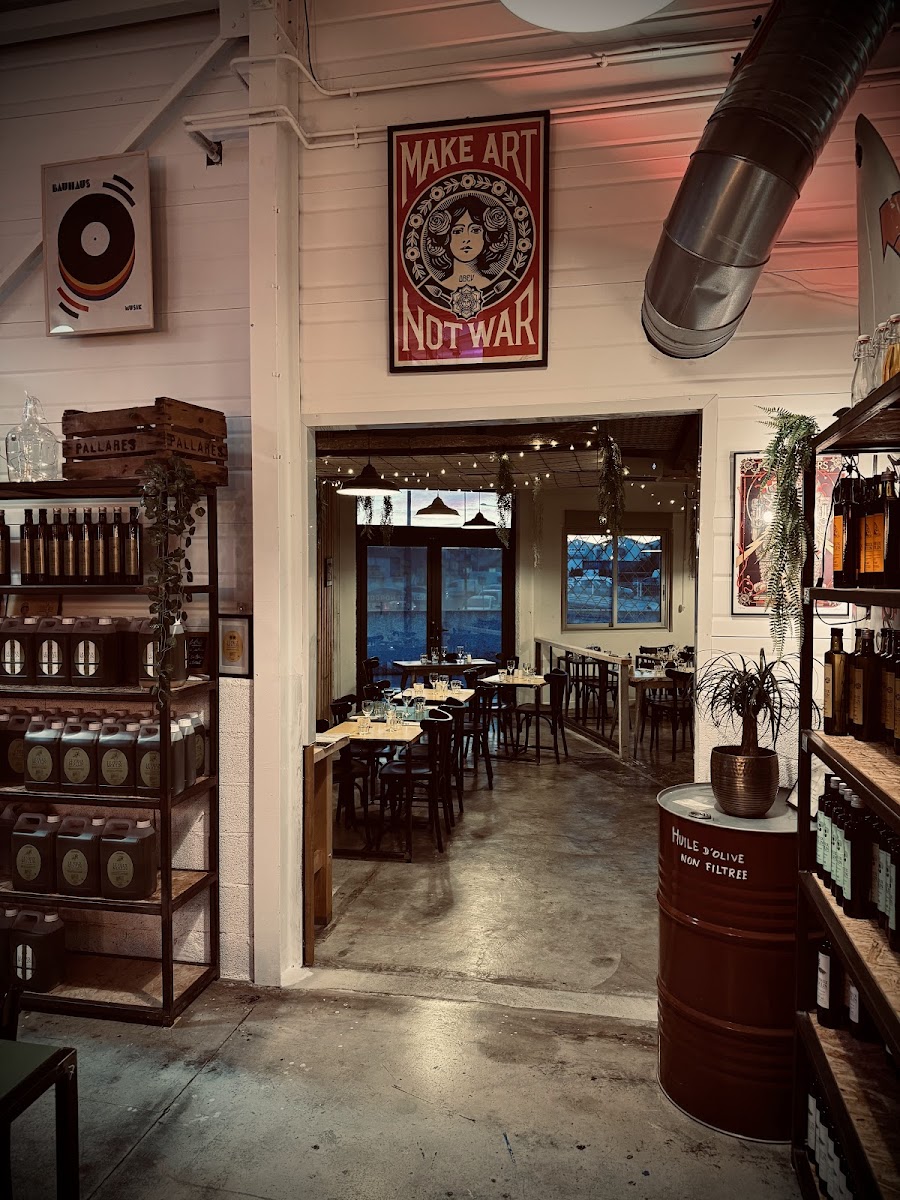
The restaurant sits inside a beautifully restored old mill, and you can still sense that history in the stone walls and wooden beams. The terrace overlooks greenery that softens the whole atmosphere. It’s relaxed without being lazy, refined without feeling stiff. That balance carries straight into the menu.
On my first visit, I ordered the duck breast with seasonal vegetables, while my companion chose a Mediterranean sea bass. What stood out immediately was the attention to detail. The duck was cooked to a perfect rosé center, the skin crisp and caramelized, while the vegetables weren’t just decorative-they were treated with the same care. According to research published by the French National Institute for Agricultural Research (INRAE), proper control of cooking temperatures preserves both flavor and nutritional value. You could taste that precision here. Nothing was overworked, nothing was rushed.
The menu changes with the seasons, which aligns with what the Michelin Guide consistently emphasizes about quality dining: ingredient freshness and regional sourcing are non-negotiable for serious kitchens. While Côté Resto - Le Vieux Moulin is not about flashy molecular gastronomy, it demonstrates real culinary expertise through technique. Sauces are reduced patiently. Meats are rested properly before serving. Fish arrives flaky and moist, never dry. These are fundamentals, yet many restaurants miss them.
During a later visit in autumn, I tried their slow-cooked lamb shoulder. The server explained that it had been prepared using a low-temperature roasting method over several hours. This technique, widely recognized by culinary institutions like Le Cordon Bleu, allows connective tissue to break down gradually, resulting in exceptional tenderness. It wasn’t just soft-it was structured, flavorful, and deeply aromatic with herbs typical of southern France: thyme, rosemary, and a hint of garlic.
Service here deserves its own mention. Reviews from regular diners often highlight consistency, and I can confirm that firsthand. The staff knows the menu inside out. When I asked about wine pairing, the recommendation wasn’t random. The suggested Languedoc red complemented the lamb’s richness without overpowering it. There’s a level of professionalism that reflects training and experience, not guesswork.
Another strength is portion balance. In many modern French restaurants, plates are either overly generous or frustratingly small. Here, the portions are thoughtful. You leave satisfied but not uncomfortable. The dessert menu follows the same philosophy. Their chocolate fondant, served warm with a scoop of vanilla ice cream, strikes that ideal contrast between bitter cocoa and creamy sweetness. It’s indulgent yet controlled.
Nutritionally speaking, the restaurant seems to embrace a Mediterranean-style approach-lean proteins, olive oil, fresh produce-which the World Health Organization has long associated with cardiovascular benefits. Of course, it’s still fine dining, so richness plays a role. But the dishes don’t feel heavy or excessive.
Location-wise, being in Lavérune gives it a peaceful edge compared to central Montpellier’s busy dining scene. Parking is easier, and the surroundings add to the charm. However, weekend reservations are essential. On my third visit, a Saturday night, nearly every table was booked. That says a lot about its reputation in the area.
If there’s any limitation, it’s that public transportation access isn’t as straightforward as in larger city-center restaurants. Still, for those with a car or staying nearby, the short drive is absolutely worth it.
Overall, what makes this place special isn’t just the food or the setting. It’s the combination of culinary discipline, warm hospitality, and a genuine respect for regional ingredients. In a region filled with dining options, this old mill restaurant continues to stand out-not by shouting for attention, but by quietly delivering excellence plate after plate.
Good to know
Service options
✓ Dine-in ✓ Delivery ✓ TakeawayHighlights
✓ Great coffee ✓ Great wine listPopular for
✓ Lunch ✓ Solo diningAccessibility
✓ Wheelchair-accessible entrance ✓ Wheelchair-accessible seating ✓ Wheelchair-accessible toilet ✓ Wheelchair-accessible car parkOfferings
✓ Alcohol ✓ Beer ✓ Coffee ✓ Healthy options ✓ Spirits ✓ WineDining options
✓ Lunch ✓ Dessert ✓ Seating ✓ Table serviceAmenities
✓ ToiletAtmosphere
✓ Casual ✓ Cosy ✓ QuietCrowd
✓ Groups ✓ LGBTQ+ friendly ✓ TouristsPlanning
✓ Accepts reservationsPayments
✓ Credit cards ✓ Debit cards ✓ Meal couponsChildren
✓ Good for kidsParking
✓ Free of charge street parking ✓ Free parking lot ✓ ParkingPhotos
1 / 4
Location
Reviews
- No ratings yet 170 reviews
Restaurant avec une décoration atypique et vraiment jolie qui donne du caractère au lieu ! Le menu du jour en semaine est correct avec un tarif abordable : 17€ pour entrée-plat ou plat-dessert, 20€ pour le menu complet. La présentation de l’entrée était sympathique, tout comme le plat saucisse-purée et le dessert était bon. La qualité des produits est au rendez-vous. Le personnel est fort sympathique et accueillant. Une bonne adresse pour un déjeuner sans se ruiner !
Le menu du jour à la semaine est correct à un prix abordable, la présentation du tartare de tomates sympathique, de même pour saucisse, purée en plat. La qualité des produits est bonne. Compter 17 €, entrée plat ou plat, dessert et 20 € pour le menu complet Personnel, fort sympathique et toilettes, spacieuses accessible PMR.
Accueil chaleureux Repas spécial fêtes vraiment délicieux Le Foie gras maison était parfait. La pintade moelleuse et sa sauce à l'armagnac divine La purée de patate douce très goûteuse Félicitations au chef Le vin conseillé était très équilibré et en accord spécial non plats. Bravo à toute l'équipe et Joyeuses fêtes Nous reviendrons...
En groupe moment très agréable ! L’accueil vraiment sympathique, la Serveuse, gentille, attentionnée et très vive pour servir tout le groupe en même temps ! Le restaurateur a eu la gentillesse d’ouvrir spécialement pour nous le samedi midi ! Le décor très original Le rapport qualité prix est parfait Les plats sont copieux et gouteux. Je ne connaissais pas l’endroit et ça m’a donné envie d’y retourner avec ma famille
J'ai découvert ce petit restaurant et la première chose que je souhaite mettre en avant c'est la qualité de l'accueil. Les personnes méritent 10 étoiles sur 5. Un cadre sympa, un peu décalé, comme j'aime. Une carte de vins locaux avec des prix tout à fait abordables. Fait très rare dans la restauration... Sans compter les conseils avertis qui sont donnés. Question plats.... Un menu carte qui change toute les semaines avec 3 propositions pour chaque catégorie (entrée, plat, dessert) et des prix aussi abordables que les vins. Le plus : on peut acheter les vins à emporter En résumé : j'y retournerai avec plaisir et je recommande ce restaurant
Allez y sans souci vous ne serez pas déçus. Une cuisine fait maison, des plats originaux et goûteux. Accueil très agréable et joli déco. Service rapide. Nous y retournerons. Merci à vous.
Toujours un plaisir à chaque visite, la carte change régulièrement toujours de la nouveauté mais surtout un régal à chaque fois, un accueil toujours des plus chaleureux et des prix plus que raisonnable en menu pour le midi, je recommande chaudement